
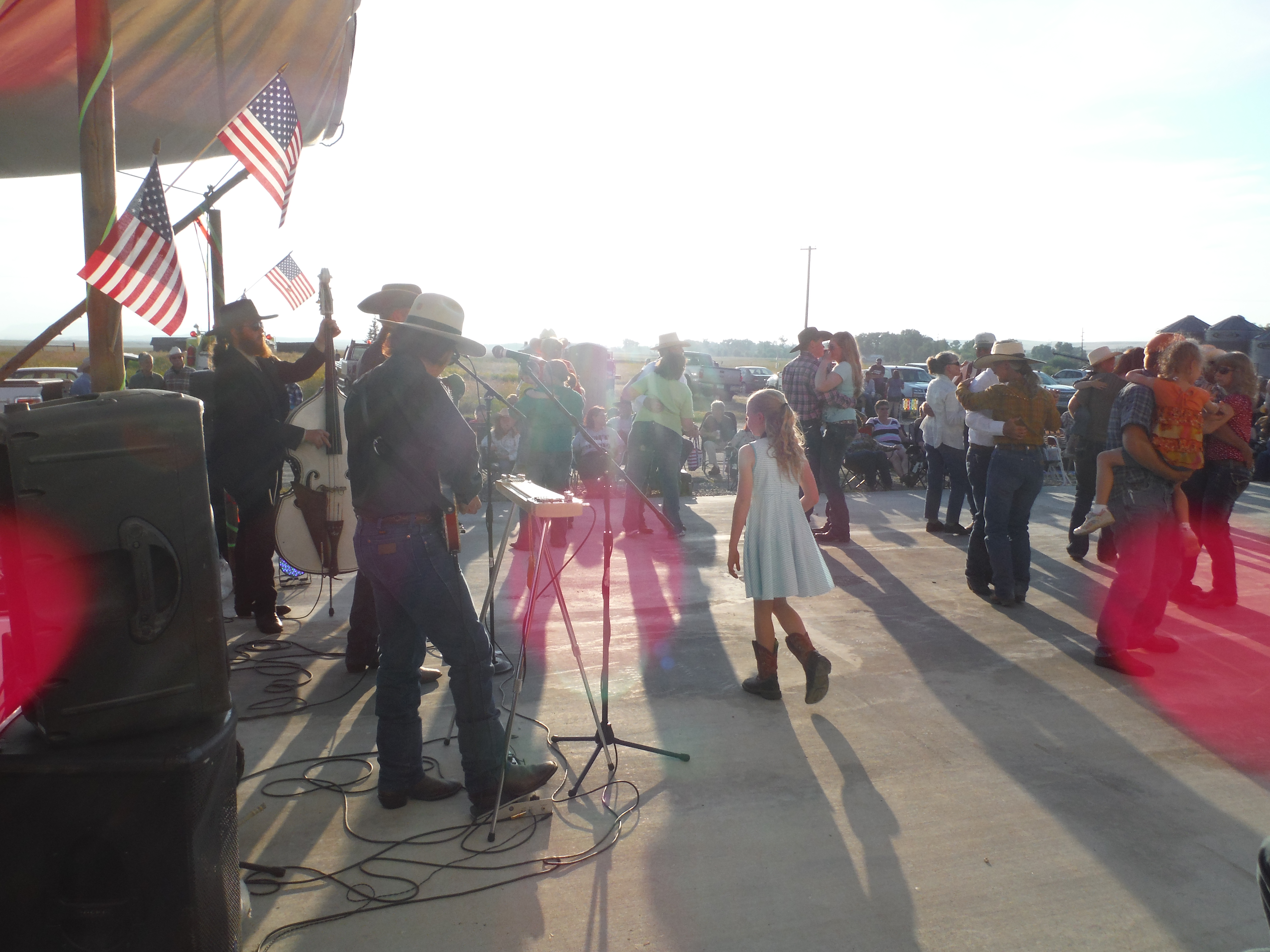
Two Dot, Montana Street Dance
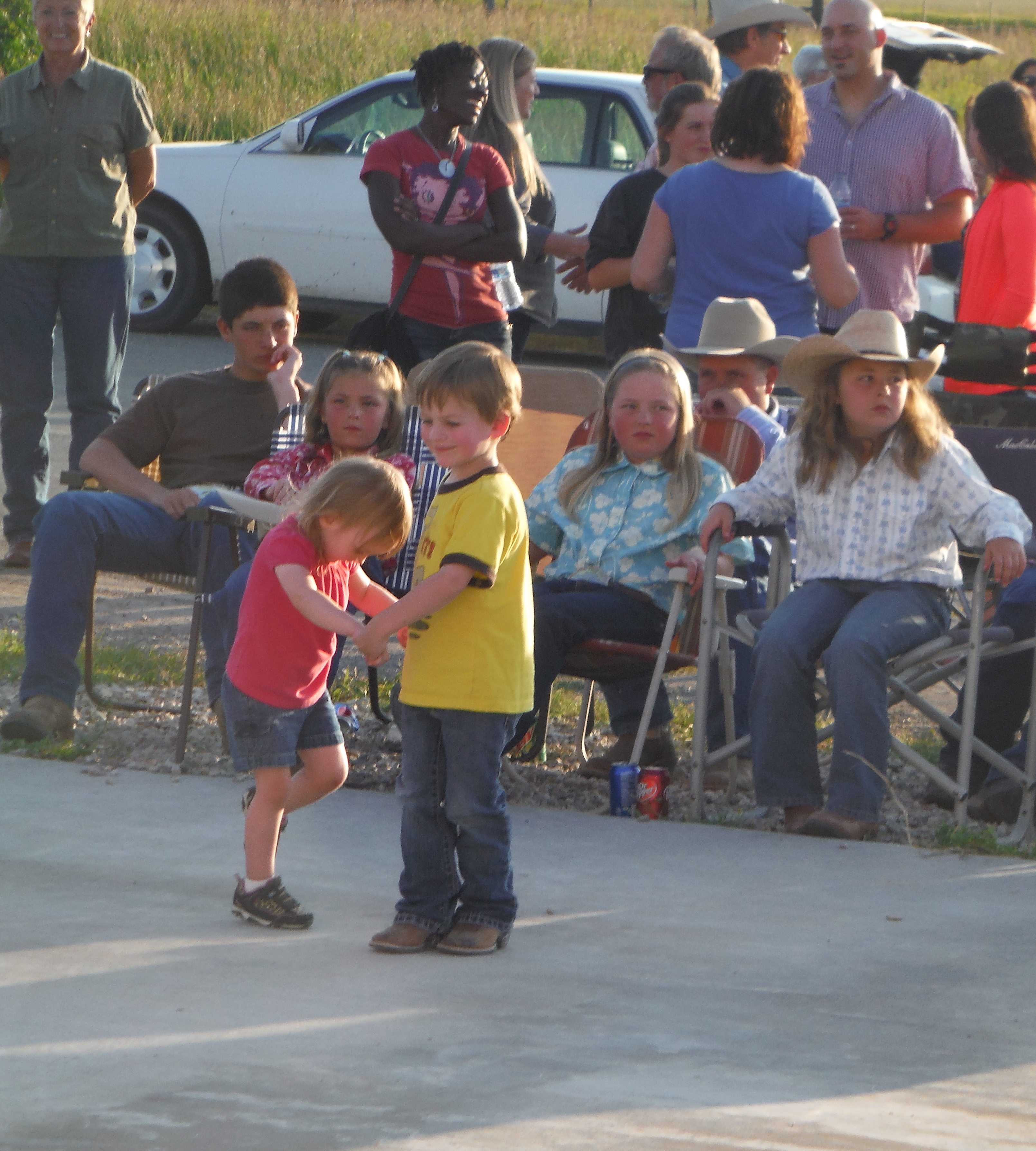
Dance while you have the chance.
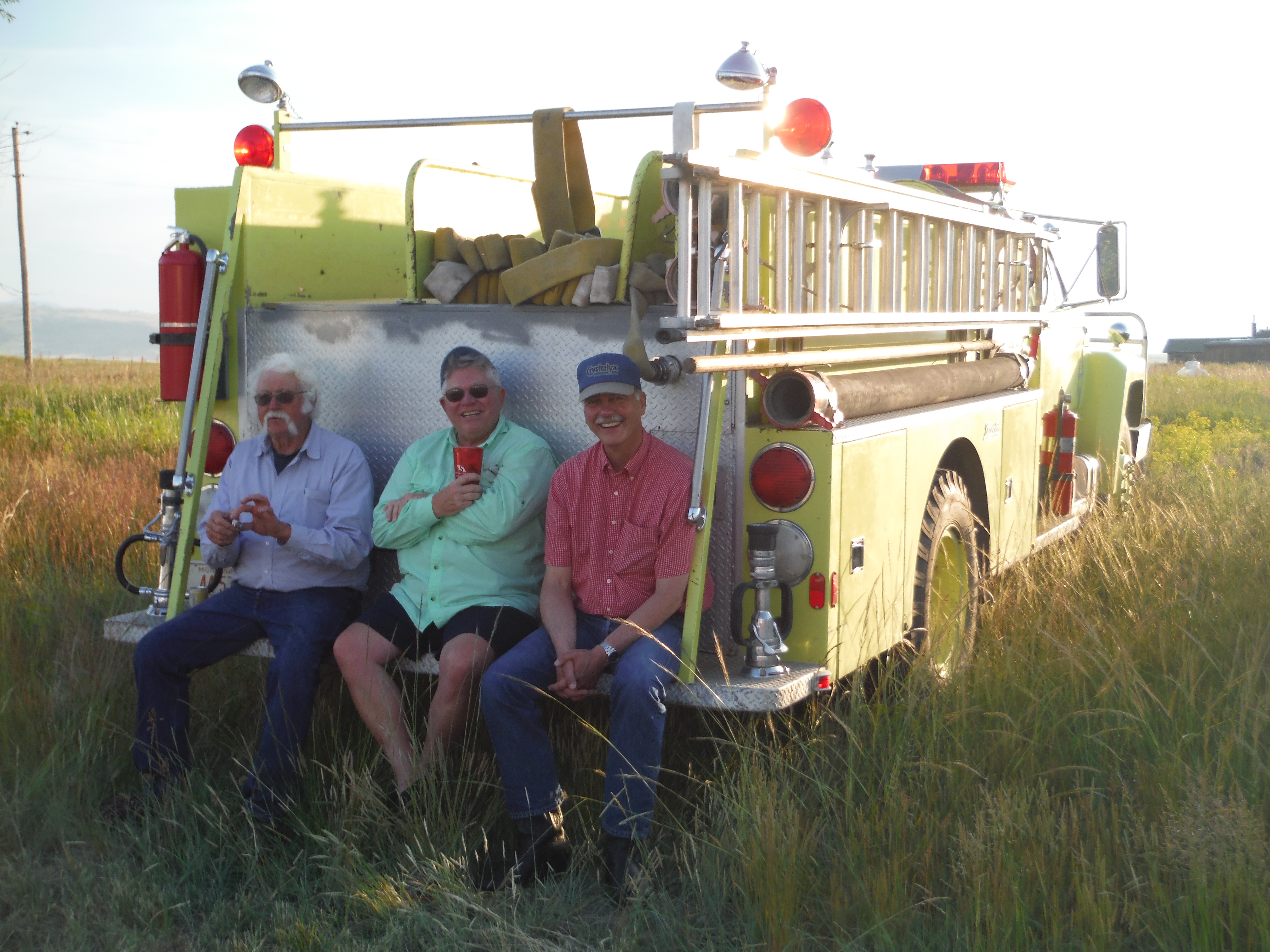
Two Dot Community Fire Department is ready and waiting.

Two Dot, Montana Street Dance
Dance while you have the chance.
Two Dot Community Fire Department is ready and waiting.






Like many dogs on Independence Day, Chloe wants to be as far away from fireworks as possible, preferring Mother Nature’s spectacular yet silent explosions of color. Happy 4th of July!


Our model German Jagd Terrier, Jigs, feels quite sporty wearing a blaze orange collar accessorized with a receiver by Tritronics and a silver cow bell.
I hadn’t gone through the black duffel in years, but that long lapse of time meant nothing to Jigs and Chloe. The moment I pulled the bag from the shelf, they rejoiced, running laps around me as I inventoried it’s contents on the living room floor. Every few seconds they’d stop to poke their heads in the bag, and then jump up on me, scratching my back with their too-sharp nails, trying to lick my face. If they could speak, I know they’d be saying, “Get them out!”
My string gets excited whenever I put on my shoes, touch my car keys, or get in the near vicinity of their leashes — those are pretty common reactions for most dogs. My Alaskan Huskies went insane when I grabbed their harnesses, knowing they’d soon be running down a trail. But many people might be amazed to see that Jigs and Chloe get even more amped up over their shock collars. To them, these collars mean something even bigger than walk or roadtrip or mushing — they mean FREEDOM!
The black duffel contains all of my dog-hiking paraphernalia: blaze orange collars for hunting season, small cow bells to help me locate my short dogs in tall brush, a treat bag, water bottles, and a bowl. One morning last week, I finally worked up the nerve to take out the collars and charge them up. I’ve been wanting to let them off-leash for so long, but my heart still suffers from the “what if’s?”. Giving my dogs their freedom back was something I needed to do — for them and for me.

When not leading an Iditarod Sled Dog team, Lolo is a follower. Here she tags along behind Chloe, the black blob.
My friend and veterinarian in Indy, Dr. Shannon Kiley, helped me train Jigs to a shock collar when he was two years old. German Jagd Terriers are bred to hunt bear and wild boar along with the usual rodents. The small but tough terriers have a hard-wired hunting instinct that can be difficult to control. Training Jigs to a shock collar made his off-lead life safer, and gave me some much-needed peace of mind. Now, I train all of my hiking dogs to the collars (I use the Tritronics Pro 100 G3 EXP model with Tracer Lights) which I prefer to call their “pagers.” I very rarely use the shock button anymore, only needing to press the “BEEP!” sound button to get their attention in the field. Jigs and Chloe love to be “paged,” knowing that a treat awaits them when they “come.”
I know my dogs are animals, and there will be times (usually involving skunks or deer or porcupine) when their instincts will take over. I weigh the risks and 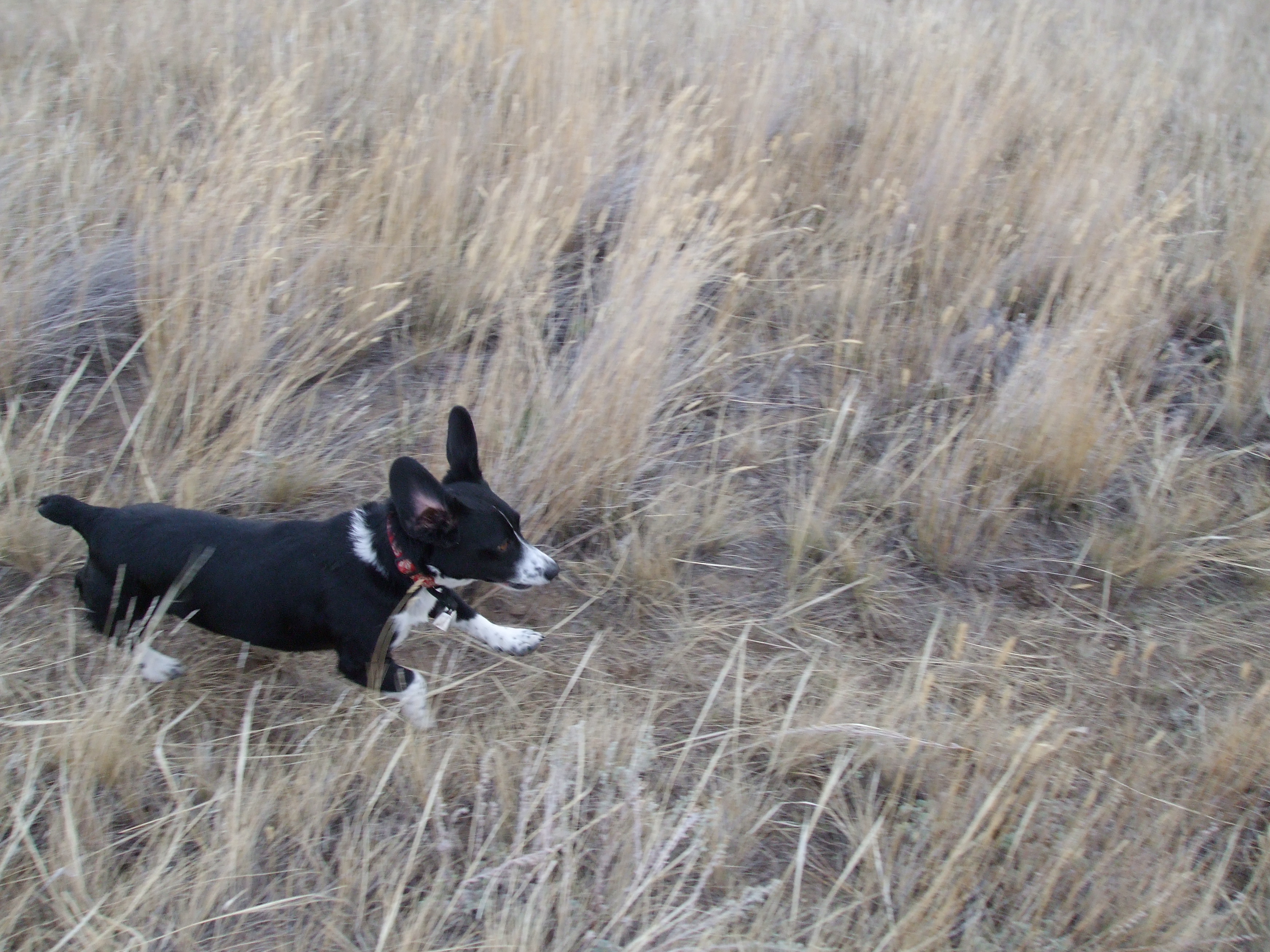 rewards wherever I go, and try to make the best decisions for their safety. Every day, I become a little bit braver. At first, I allowed them to run free on familiar hikes around Martinsdale Reservoir or up Pasture Gulch. Now, we are branching out to new trails in the Castles, Crazy, and Little Belt Mountains. Every time I release them to run, yelling their favorite command, “FREE DOG!”, I feel tiny pieces of my old self returning. And I am reminded that one of the most precious gifts in life is freedom… of all kinds.


…. WITH WITH A NET OVER OUR HEADS! Where did all of these skeeters come from??? Summer has finally arrived in Montana.

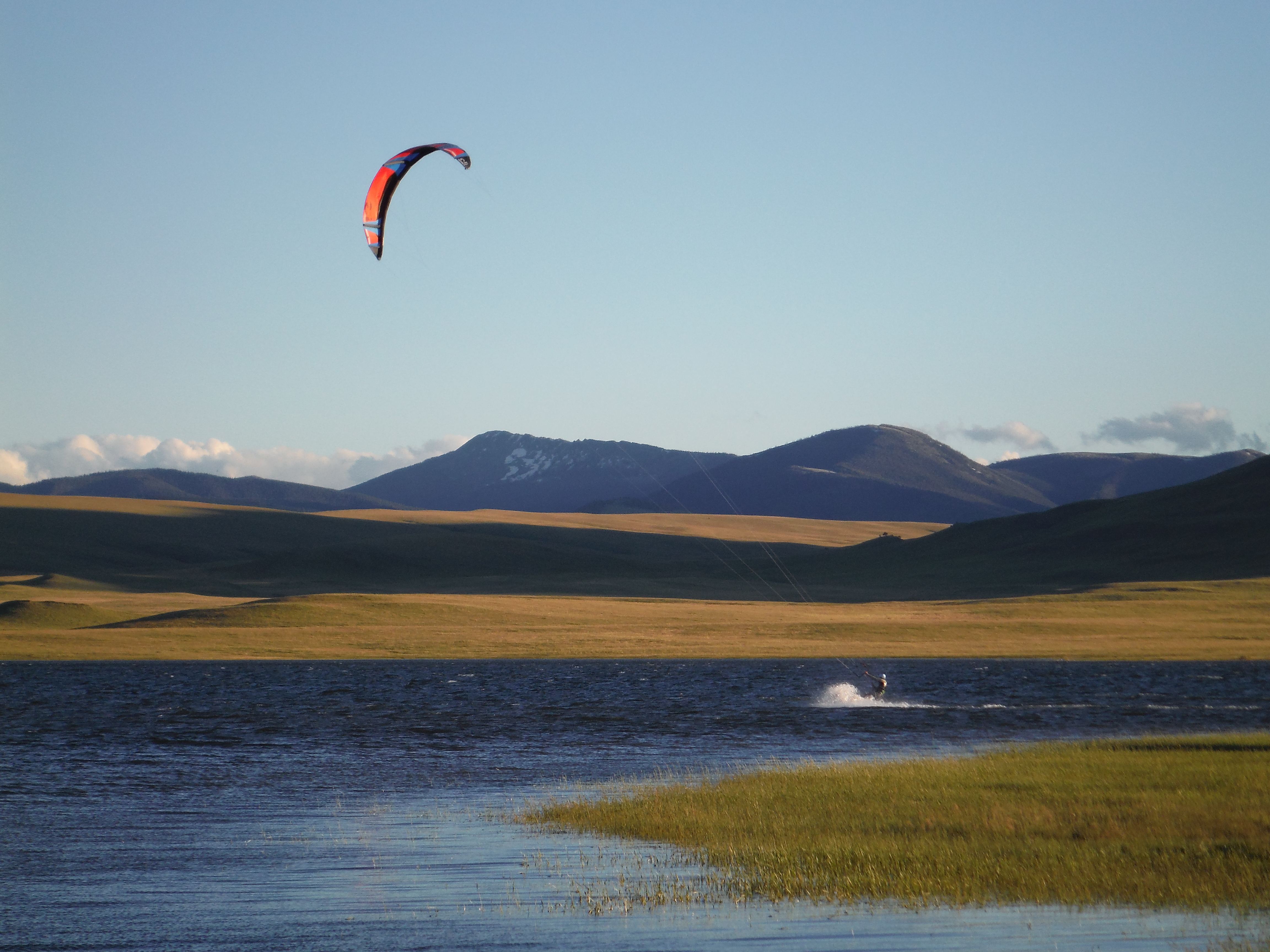 A kiteboarder working the wind and water of Martinsdale Reservoir. Dancing with the elements — it’s so beautiful to watch…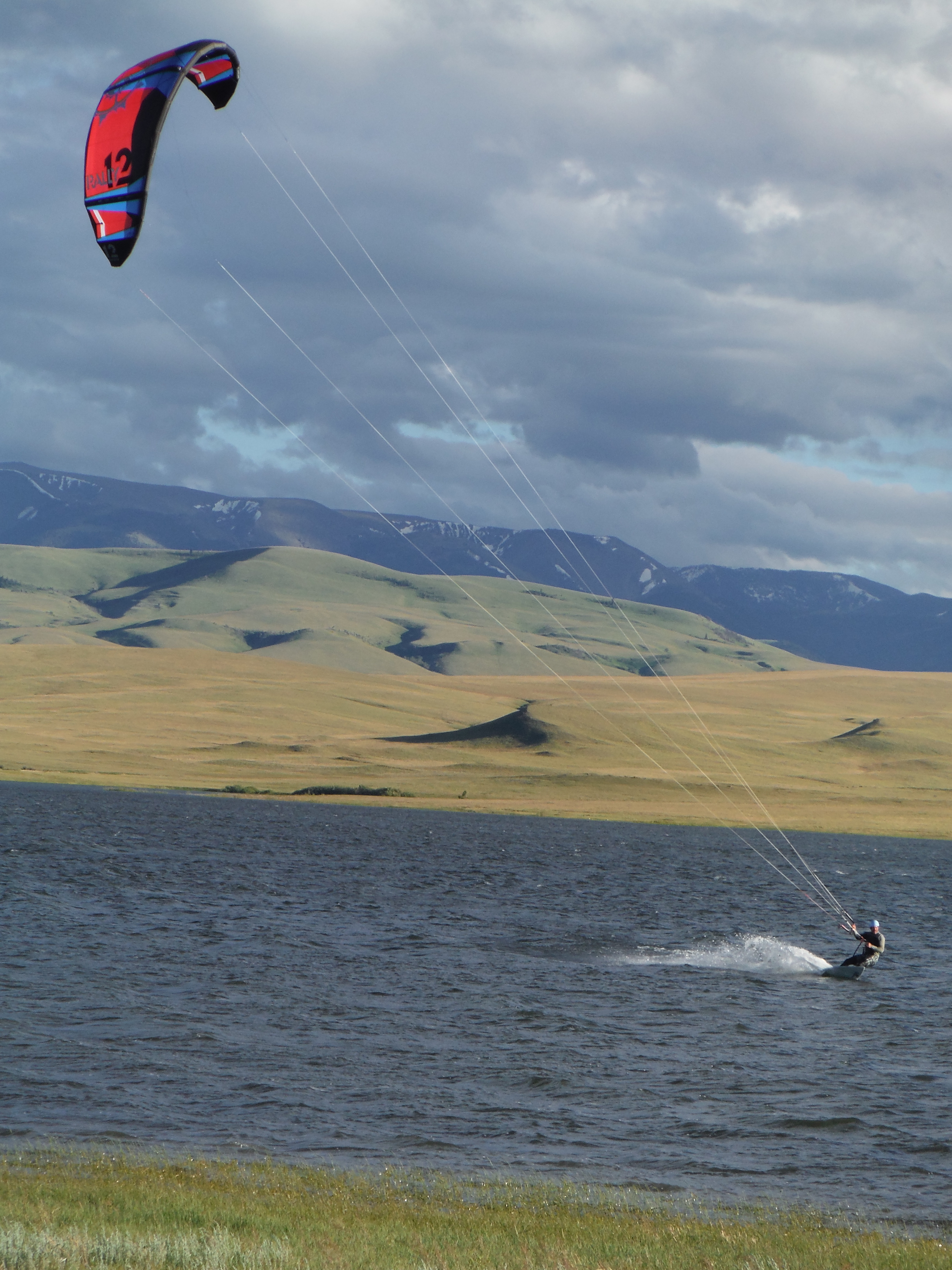


Reason #3: To see what’s at the end of the road…


On Monday, I took Lolo to the veterinarian. My instinct tells me that my 14-year old retired Iditarod lead dog is not “sick”, but continues to mourn the loss of her companion, Borage. And that her vomiting, acid reflux, and loss of appetite stem from grief and loneliness, not cancer or some other physical disease. Monday morning wasn’t much different than any other since I returned to Martinsdale 3 weeks ago — I fed Lolo just a small amount, she ate, howled for 20 minutes straight, and then vomited her breakfast back up. She looked miserable standing there in the front yard with her head hung low — so alone, and now so sick. I couldn’t put it off any longer. I needed an expert to confirm my diagnosis.
 I recognize the symptoms of a broken heart. In the last two years, I’ve lost both of my parents; my good friend and mentor, Carol Meeks; and my dog, Borage. I, myself, have struggled with a long list of ailments such as disturbing heart palpitations, interstitial cystitis, acid reflux, abdominal pain, ulcers, weight loss. These are real medical conditions causing great discomfort. And I won’t deny that I often feel sad, anxious, and alone just like Lolo does. But how do you separate despair and disease? Thankfully, I have the human ability to talk it all through with medical doctors and therapists, and then come up with a plan that can be adjusted along the way. But how do you help a grieving animal?
In my parents’ living room in Indianapolis, a framed print hangs above their couch depicting a dog greeting passengers unloading from a train. My parents loved dogs, trains, and Montana so when we visited Fort Benton in 2001, all three of us were drawn to the story of “Shep.”
According to historians from the Overholser Historical Research Center and the Missoulian, “Shep first appeared in Fort Benton in August 1936 when his owner, an area sheepherder whose name has been lost to history, was brought mortally ill to the St. Clare Hospital. After the sheepherder passed, his body was sent by train to his family back east. Shep was left behind, but for the next 5 1/2 years he lived under the platform of the Fort Benton train station, patiently waiting for his long-dead master to return.”
I think of “Shep” now as I watch Lolo out in the yard, pacing back and forth in front of the gate. The day I realized it was time to end Borage’s suffering and put him to sleep, my lifelong friend (and veterinarian), Dr. Shannon Kiley, suggested that I bring Lolo with me so she could see and smell his body before they took him away. We all knew Lolo would be lost without Borage, but we hoped this might help. I did as Shannon said and allowed Lolo to sniff her mate’s thick fur for one last time.
Sometimes witnessing the death of a loved one still isn’t enough proof that he or she is truly gone. I often wake in the mornings and feel for a brief moment that my parents and Carol and Borage are still here. For humans and dogs, long-term grief thrashes the body with highs and lows. One minute I might finally feel some peace — but then out of nowhere sadness slams me hard from a new direction. I cry. Lolo howls. Sometimes we do it together.
Dr. Katherine Parks, my Montana veterinarian based in Harlowton, declared Lolo to be in amazing physical shape for a 14-year old dog. “She’s so nervous, yet her heart rate is really low,” Dr. Parks noted, impressed with the athletic physiology of Alaskan Husky sled dogs. The thorough exam revealed nothing — the blood work came back perfect. “I would start her on a famotidine for her stomach acid problem. And for her nerves, you could try some anti-anxiety meds. Or try to find her a new friend,” Dr. Parks suggested. “One or all of these things might help… or not.”
 In other words, you can never replace a loved one. But for me, continuing to live means continuing to try — I’m not giving up on Lolo. I cry. She howls. We both take Pepcid twice a day. And then we take a hike… our doctors’ orders.

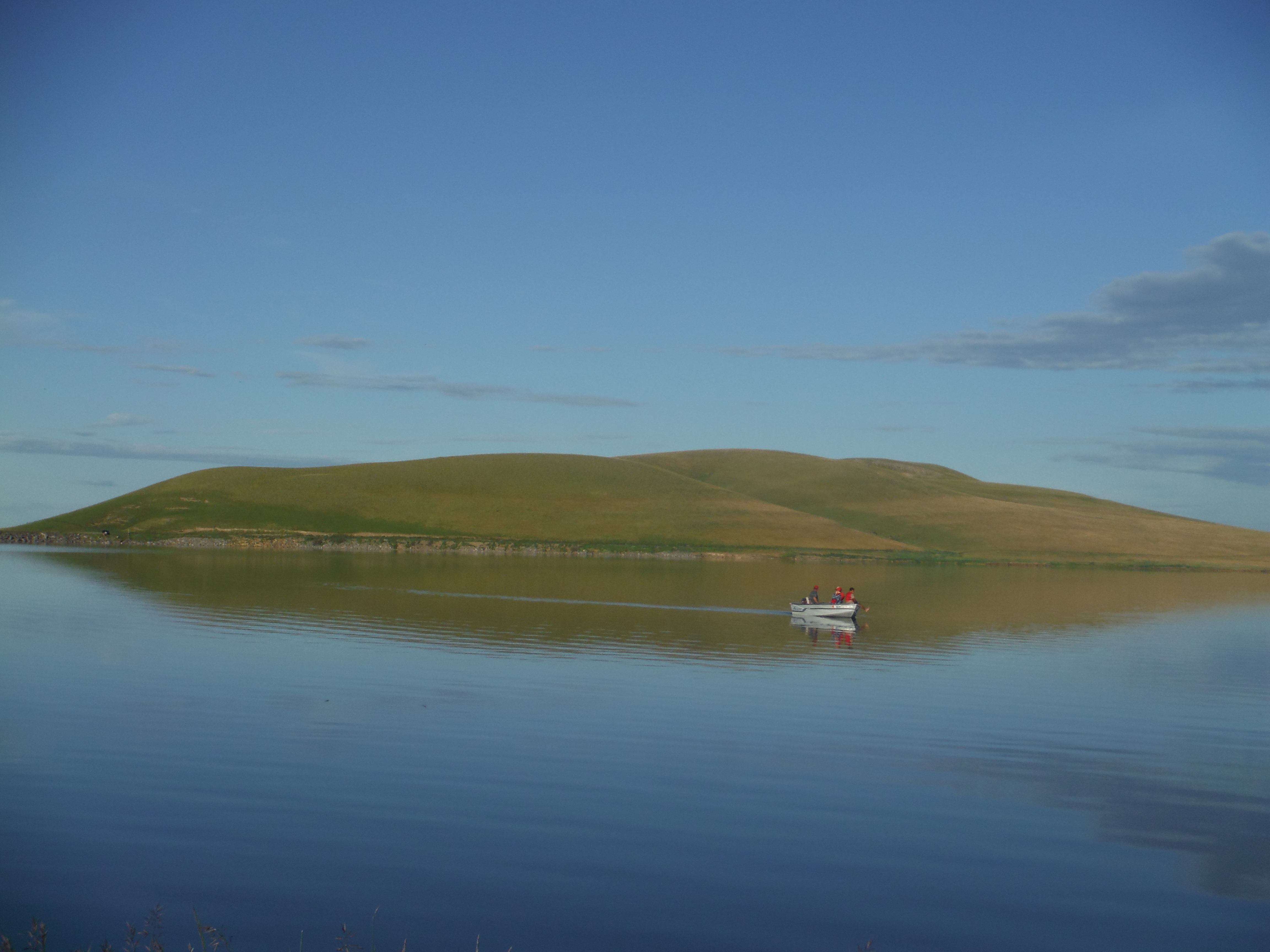 Reason #2: Reflection…
… Reflection…
 … Reflection.

 String of Dogs